
Prostate Health Diet: What to Eat, What to Avoid, and How to Support Your Body Naturally

Every man dealing with prostate concerns asks the same question eventually: "Besides the supplements, what else can I do?"
The answer begins at the dinner table.
Dr. Michael E. James, CH, MH, NMD spent over 40 years watching the body heal when it was given the right conditions — and watching it struggle when it wasn't. His clinical experience made one thing unmistakably clear: the prostate does not exist in isolation. It is a glandular organ embedded in a system, and that system is fed — or poisoned — three times a day by what a man chooses to eat.
Herbal formulas nourish and support the male reproductive system at a level that diet cannot always reach. But diet is the environment those herbs work in. Get the diet right, and everything works better.
What Is the Root Cause of Most Prostate Problems?
Most prostate disorders — including enlargement, inflammation, and urinary difficulty — are rooted in a combination of hormonal imbalance, chronic inflammation, nutritional deficiency, and toxic load accumulating in the glandular tissue over years.
None of these develop overnight. They develop from decades of dietary patterns that chronically overload the body's inflammatory systems, deplete the nutrients the prostate depends on, and allow toxins to accumulate in tissues that cannot clear them efficiently.
The three primary dietary drivers are:
Refined carbohydrates and sugar — The single most inflammatory category in the modern diet. Sugar drives systemic inflammation that taxes every glandular system in the body, disrupts hormonal balance, and creates the cellular environment in which glandular enlargement and dysfunction develop. Dr. James was direct on this point: refined carbohydrates — white flour, white rice, white sugar, soda, and processed snacks — do not exist in nature. They are man-made, and the body pays the price for their presence.
Dietary fats — quality matters enormously — The body, including the prostate, prefers to run on fat as fuel. But not all fats are equal. Industrially processed vegetable oils (corn, soybean, canola, cottonseed) are highly inflammatory and flood the body with oxidized fatty acids that damage glandular tissue over time. Healthy fats — from whole foods, cold-pressed oils, avocado, and clean animal sources — feed the body appropriately and support hormonal production.
Toxic accumulation — Pesticides, heavy metals, chemical additives, tap water contaminants, and environmental pollutants accumulate preferentially in fatty and glandular tissues. The prostate is both. A man who has spent decades eating conventionally grown food, drinking municipal water, and working in environments with chemical exposure carries a body burden of toxins that creates a hostile environment for glandular health. Diet and detoxification work together to address this.
What to Eat for Prostate Health
Foods That Support the Prostate
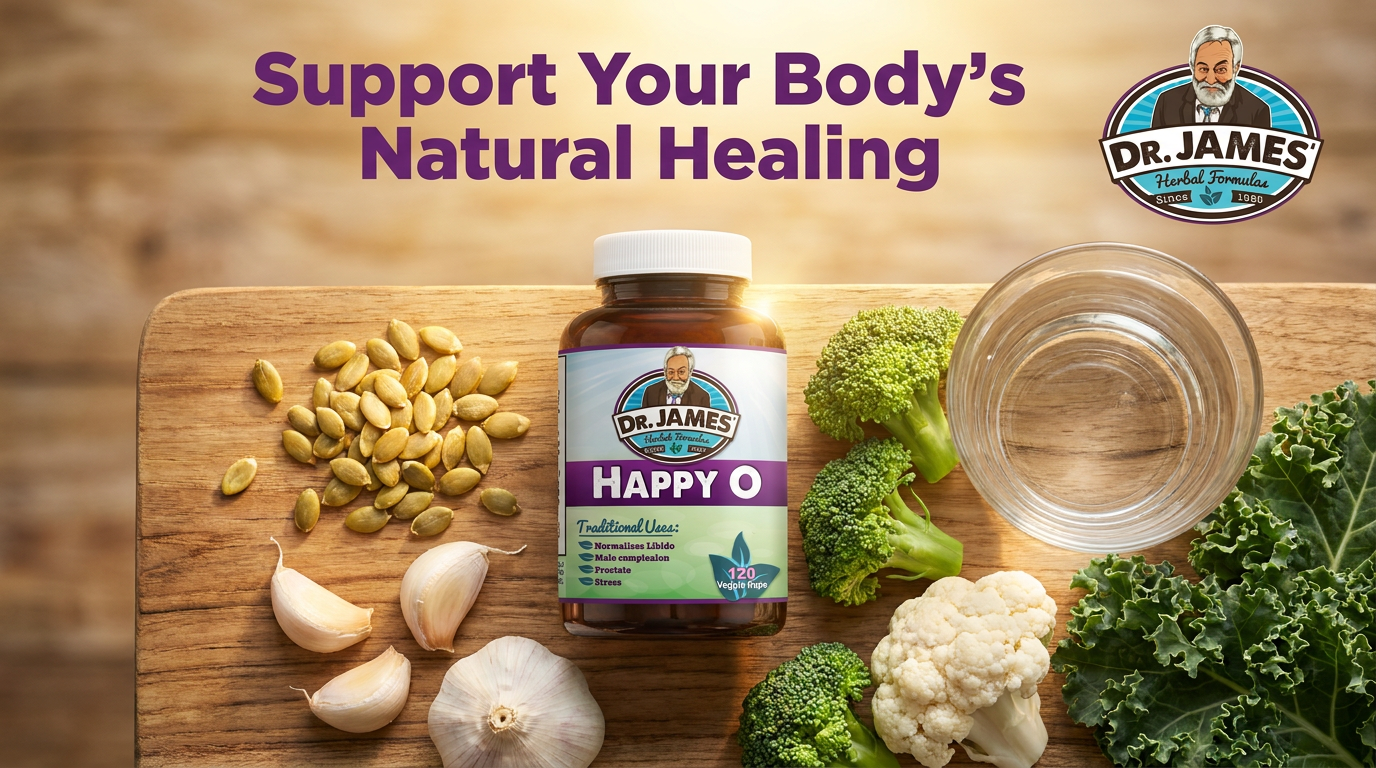
Zinc-rich foods — The prostate has the highest concentration of zinc of any organ in the body. Zinc is essential for hormone metabolism, immune function, and cellular repair. Foods naturally high in zinc include pumpkin seeds (one of the most prostate-friendly foods in existence), beef, lamb, dark meat poultry, beans, and nuts. Make pumpkin seeds a daily habit — a small handful goes a long way.
Healthy fats — Avocado, extra virgin olive oil, cold-pressed coconut oil, and wild-caught fatty fish provide the anti-inflammatory fatty acids the body needs to produce hormones and maintain glandular tissue. The prostate needs fat — it needs the right kind.
Cruciferous vegetables — Broccoli, cauliflower, cabbage, Brussels sprouts, and kale contain compounds that support the body's natural hormone metabolism and help the liver process excess estrogens — a critical factor in prostate enlargement. Men with prostate concerns should be eating cruciferous vegetables daily.
Tomatoes and lycopene-rich foods — Cooked tomatoes, watermelon, and pink grapefruit provide lycopene, a potent antioxidant that concentrates in prostate tissue and supports cellular health. Cooking tomatoes actually increases lycopene availability — tomato sauce and cooked dishes are more beneficial than raw.
Alliums — garlic, onions, leeks — These sulfur-rich vegetables are among the most powerful natural anti-inflammatory and antimicrobial foods. Garlic in particular has been used clinically for centuries to support immune function, circulation, and glandular health. Eat them daily, as close to raw as your palate tolerates.
Pumpkin seeds — Worth mentioning again specifically. Pumpkin seed oil has been used traditionally across multiple cultures specifically for prostate and urinary tract support. The combination of zinc, phytosterols, and essential fatty acids makes them uniquely valuable for the male reproductive system. Raw or lightly roasted — not salted, not processed.
Clean water — Municipal tap water in most cities contains fluoride, chlorine, and trace pharmaceuticals including synthetic hormones that accumulate in the body over time. These are not benign. Filtered or distilled water removes the chemical burden that tap water adds to every glass you drink. This is not optional — it is foundational.
Whole grains over refined carbohydrates — Brown rice instead of white. Whole grain bread instead of white. Oats instead of processed cereal. As Dr. James explained, the difference between a starch and a refined carbohydrate is that the fiber has been removed. That fiber carries nutritional value and regulates how the body processes energy. Removing it turns food into a source of inflammatory glucose spikes.
What to Avoid for Prostate Health
Foods That Work Against the Prostate
Sugar and refined carbohydrates — This cannot be overstated. White sugar, white flour, white rice, pasta, pastries, sodas, sweetened beverages, and processed snack foods are the primary dietary drivers of systemic inflammation. Every time you eat these foods, you are adding fuel to the inflammatory fire that glandular tissue is trying to survive. If a man makes one dietary change for his prostate, eliminating sugar and refined carbohydrates is it.
Industrial vegetable oils — Corn oil, soybean oil, canola oil, cottonseed oil, and margarine are highly processed, heavily oxidized, and profoundly inflammatory. They are in nearly every packaged food and most restaurant kitchens. Read labels. Cook with olive oil, coconut oil, or butter from clean sources instead.
Conventional dairy — Commercial dairy from conventionally raised animals contains synthetic hormones, pesticide residues, and inflammatory compounds that directly affect the hormonal environment of the male reproductive system. If you eat dairy, choose organic, grass-fed sources and moderate your intake.
Processed meats — Deli meats, hot dogs, sausage, and commercially processed meats contain nitrates, preservatives, and compounds that create inflammatory load in the body. Clean animal protein from quality sources is not the problem — it is the processing that creates it.
Alcohol — Alcohol is a processed sugar with direct toxic effects on the liver, which is responsible for metabolizing and clearing excess hormones. When the liver is burdened by alcohol, hormonal balance suffers, and the prostate operates in a more hostile hormonal environment. Moderation at minimum — elimination during active recovery is better.
Caffeine — Coffee and caffeine are stimulants that increase tension in the bladder and urethra, directly worsening urinary symptoms associated with prostate enlargement. Men experiencing urinary difficulty should reduce or eliminate caffeine and observe the difference within days.
Tap water — Already mentioned, but worth repeating here. The fluoride, chlorine, and trace chemical content of municipal water creates a daily low-grade toxic burden that accumulates in glandular tissue over decades. Filtered water is not a luxury — it is basic hygiene at the cellular level.
The Refined Carbohydrate Connection — Dr. James' Core Principle
Dr. James' dietary framework was clear and consistent across every system he treated: carbohydrates do not exist naturally in nature. They are created when fiber is stripped from starches by industrial processing. Brown rice becomes white rice. Wheat becomes white flour. Whole fruit becomes juice stripped of its fiber.
The body was designed to process starch — the complex, fiber-rich carbohydrate found in whole grains, vegetables, and beans. It was not designed to process the naked glucose bombs that refined carbohydrates deliver. The metabolic chaos that results — blood sugar spikes, insulin surges, systemic inflammation — is the foundational environment in which chronic disease, including prostate disorders, develops and persists.
The solution is not a complicated elimination diet. It is simple: eat food as close to its whole form as possible. If it comes in a package with an ingredient list, approach it with skepticism. If it grew from the ground or walked on it, it is probably food.
Hydration — The Overlooked Prostate Factor
Water is the body's primary means of flushing waste products through the kidneys and urinary tract. Men with prostate concerns often instinctively reduce their water intake to manage urinary symptoms — this is exactly backwards.
Adequate hydration keeps the urinary tract flushed, reduces the concentration of irritants in the urine, and supports kidney function. The goal is clean, filtered water throughout the day — not large amounts all at once, which can be uncomfortable, but consistent, steady intake.
Avoid drinking large amounts in the two hours before bed to reduce nighttime urination — but do not cut total daily intake.
Herbal Support: What the Diet Cannot Do Alone
Diet creates the environment. Herbal formulas do the work that diet cannot reach on its own — nourishing specific glandular tissue, clearing inflammation from the urinary tract, balancing hormones, and when necessary, clearing the toxic accumulation that has built up over years.
HAPPY O — Nourish the Male Glandular System
HAPPY O is the primary formula Dr. James used for prostate disorders and male hormonal support. It works by nourishing and balancing the masculine organs and glandular system — not by forcing a specific outcome, but by giving the body what it needs to regulate itself.
Dr. James noted that HAPPY O normalizes male hormones whether they are running too high or too low. It does not create imbalance — it resolves it.
Traditional use of the contents: Damiana and Yohimbe have been used to help balance hormones and support the prostate gland. Dandelion Root has been used as a tonic for the glandular system. Siberian Ginseng (Eleuthero root) has been used to help balance hormones and support sexual vitality and longevity. Marshmallow Root has been used to soothe the membranes of the urinary tract and reproductive system.
The urinary tract connection is particularly relevant for men dealing with prostate enlargement and the urinary discomfort that accompanies it — the Marshmallow Root in this formula directly soothes the membranes that are under pressure.
BLADNEY — Clear the Urinary Tract
BLADNEY addresses the urinary tract dimension of prostate health directly. When the prostate is enlarged or inflamed, it creates pressure on the urethra and bladder — and the urinary tract itself becomes inflamed, irritated, and prone to further dysfunction.
BLADNEY supports kidney and bladder health, reduces inflammation in the urinary tract, and helps the body maintain proper fluid balance.
Traditional use of the contents: Cleavers has been used for inflammations of the kidney and bladder and for reducing water retention. Corn Silk has been used to reduce uric acid. Gravel Root has been used for kidney stones and urinary tract support. Juniper Berry has been used for weakness in the kidneys and bladder. Marshmallow Root soothes the membranes of the urinary tract. Parsley Leaf has been used to help maintain proper potassium levels. Uvi Ursi has been used for chronic bladder and kidney problems.
HAPPY O and BLADNEY work together as a system — one nourishing the gland itself, the other clearing and supporting the urinary pathway.
DETOXALATION — When Toxic Load Is a Factor
For men who have worked in occupations with significant chemical exposure — agriculture, construction, manufacturing, automotive, military service — or who have spent decades on a conventional diet heavy in pesticide-laden food, the toxic accumulation in glandular tissue can be a significant obstacle to recovery.
DETOXALATION uses the body's natural elimination pathways — liver, kidneys, urine, bowels, lungs, and skin — to clear inorganic waste, heavy metals, and chemical buildup from the tissues. It is not a harsh cleanse. It works with the body's own processes, taken in the evening when the body's natural detoxification cycle is most active.
Traditional use of the contents: Chlorella has been used to detoxify heavy metals from body tissues and to increase the rate of tissue rebuilding and healing. Coriandrum sativum has been used to detoxify absorbed dental metals from body tissues. Diatomaceous earth has been used as an absorbent to carry heavy metals out of the body. MSM has been used to make cells more permeable, supporting the detoxification process. Vitamin C complex supports tissue rebuilding after heavy metal detoxification.
If your history includes significant toxic exposure, add Detoxalation to the protocol. A cleaner internal environment is a more hospitable one for glandular recovery.
A Practical Starting Point
The diet changes that make the biggest difference for prostate health are not complicated. They do not require counting calories, buying expensive specialty foods, or following a rigid program. They require one honest decision at a time:
Replace soda with filtered water. Replace white bread with whole grain. Replace industrial cooking oils with olive oil or coconut oil. Add pumpkin seeds to your daily routine. Eat garlic and onions as often as you can. Cook tomatoes into your meals. Reduce alcohol. Reduce caffeine if urinary symptoms are present.
None of these are dramatic. All of them create a better environment for the prostate to function in — and for the herbal support you are taking to do its work more effectively.
The body wants to be healthy. Give it the materials it needs and remove the things that obstruct it, and it will move in that direction.
For questions about the prostate support protocol or which formulas are right for your situation, call Professional Herbal Instruction at 888-388-4413
This article is for general educational purposes and does not constitute medical advice. It reflects the clinical framework of Dr. Michael E. James, CH, MH, NMD. Consult a qualified health professional for personal guidance.
![[Podcast] When Your Face Falls: A Herbal Rescue Plan for Bell’s Palsy](http://www.drugfreehelpstore.com/cdn/shop/articles/PODCAST_Bells_Palsy_e58ea716-ec20-4370-88fb-d9032c513e1c.jpg?v=1784230932&width=1500)
